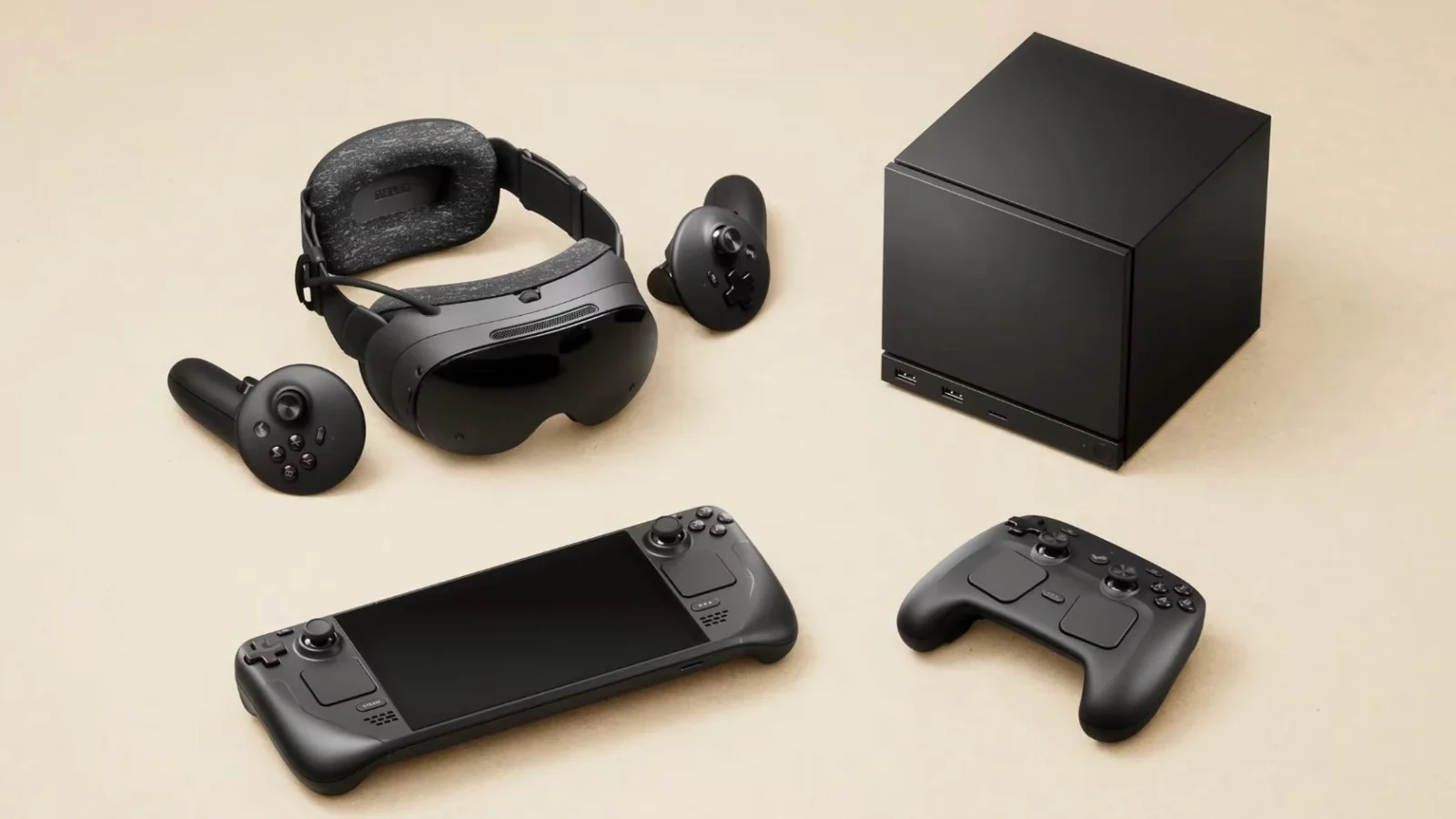
Valve’s Steam Machine is not enough on its own to kill the video game console, but, again, on its own, it doesn’t to be. The significance of the Steam Machine is narrower and durable. By selling an open PC in a console-sized box for $1,049, and refusing to sell it at a loss, Valve has reset what a living-room gaming machine is allowed to cost and what buyers can expect it to do. That reset arrives just as Microsoft and Sony build their next consoles on the same parts, the same architecture, and in Microsoft’s case, the same operating system as a gaming PC. The likeliest read is not that the console dies, but that the thing that made a console distinct is ending.
A Price Floor Adjustment
For two decades the console’s defining trait was price. A new PlayStation or Xbox cost around $400 to $500, often sold below cost and recovered through game and subscription revenue. That price floor is eroding. The Steam Machine starts at $1,049 and runs to $1,428 with a controller. Valve’s own Steam Deck OLED has climbed to $789 after a 2026 increase tied to memory costs, according to reporting on the price hike. Sony’s PS5 Pro launched at $700. The same memory shortage now clouds the PlayStation 6’s price, which Sony has not set, with analysts warning the component crunch could push it well above past consoles.
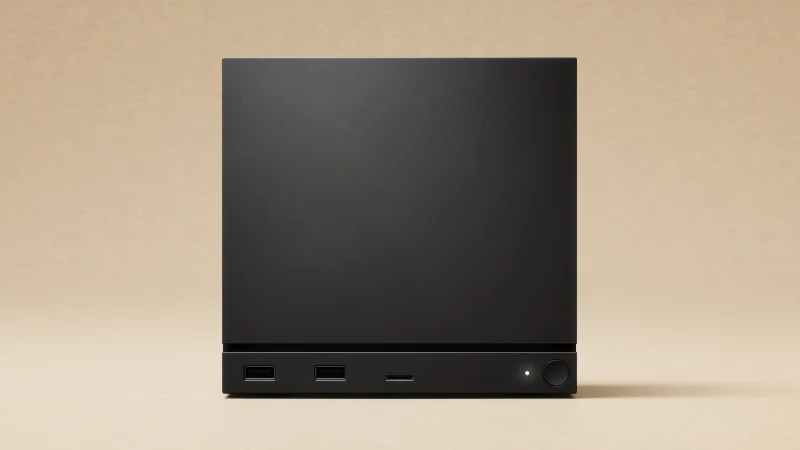
Valve has framed the price as a feature of its model rather than a flaw. The company has said it does not intend to sell the box at a loss, pricing it closer to the cost of assembling an equivalent PC, as it laid out around the reveal. That removes the console’s historic advantage. A traditional console was cheap because its maker subsidized the hardware and locked buyers into a single store that paid the difference back. A machine priced like its parts has no such bargain to offer and little reason to stay closed.
The next consoles are already PCs
The clearest evidence sits in the roadmaps of Valve’s rivals. Microsoft has confirmed the codename of its next Xbox, Project Helix, and described it as a hybrid that runs a full version of Windows 11 and plays games bought on Steam, GOG, and the Epic Games Store alongside the Xbox library, according to Windows Central. It is built on a custom AMD chip, the same supplier and broad architecture found in gaming PCs and in the Steam Machine. Sony’s unannounced PlayStation 6 is reported to use AMD’s Zen 6 processor and RDNA 5 graphics, per leaks compiled by Wccftech, the same generation of parts a PC builder would buy. On the evidence, the next console cycle is not a departure from the PC. It is a PC, packaged and curated.
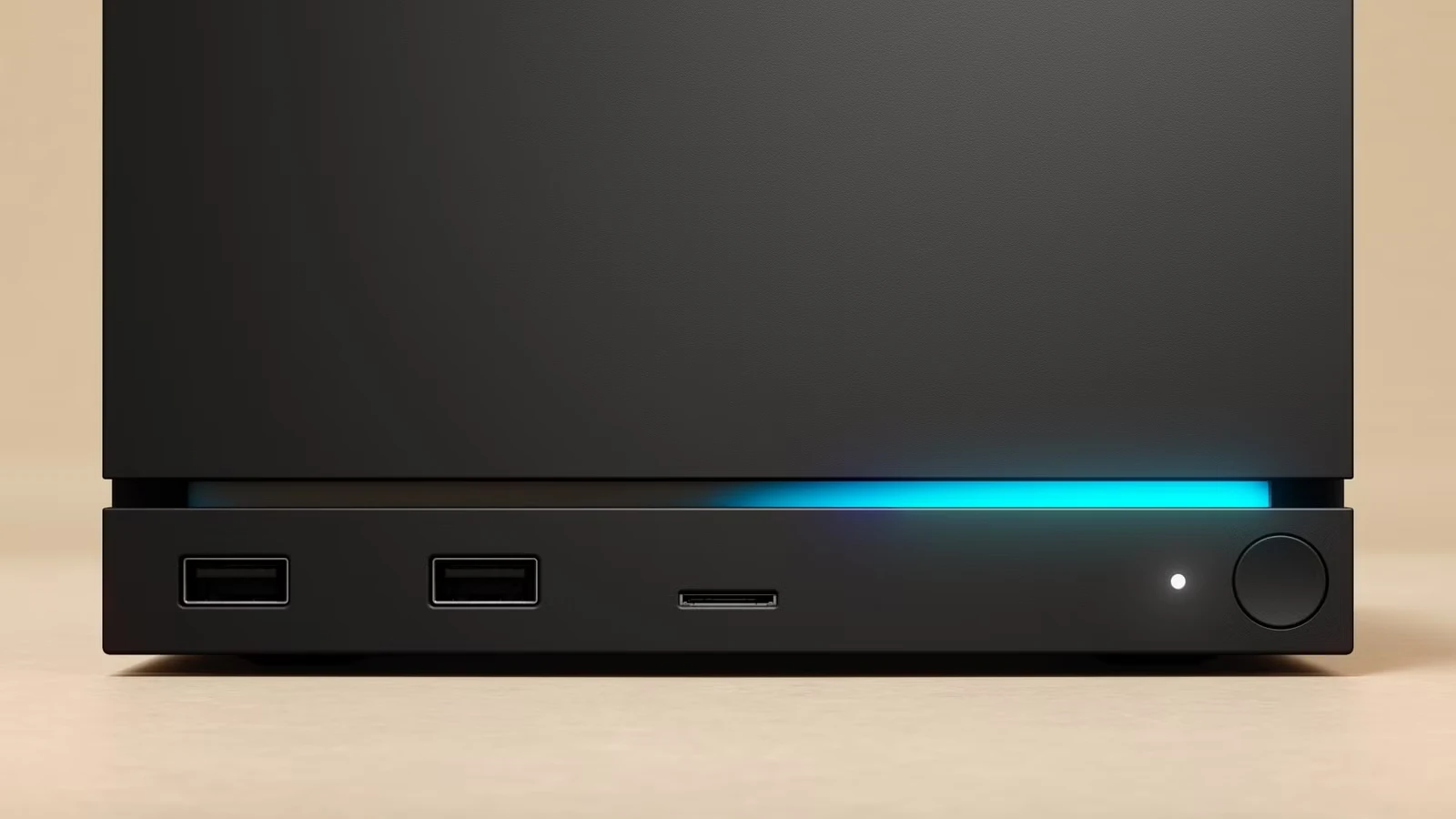
That packaging is where the convergence bites. Once one major machine opens to every storefront and, in Helix’s case, to Windows itself, a rival’s walled garden reads less as a guarantee of quality and more as a restriction. The expectation Valve has helped set is that a premium box should run what its owner wants. A future Xbox or PlayStation that locked players to one store at a PC price would be selling less for more, and the evidence suggests buyers would notice.
Where the thesis overreaches
The strongest case against the console obituary is that consoles are still selling in volume, though lessened this current fiscal year. The PS5 has sold tens of millions, and Nintendo’s Switch 2 became a fast seller at roughly $450 by ignoring the power race entirely, a path that keeps the cheap, simple console alive. The $1,049 Steam Machine is the expensive end of the market, not its new baseline, and Sony and Nintendo still anchor the affordable tier. A console’s value was never only its price, either. Curation, a fixed performance target developers can optimize for, plug-and-play simplicity; and exclusive games remain real advantages a general-purpose PC cannot fully match. Valve has also been here before: its 2015 Steam Machines, a line of third-party SteamOS boxes, failed commercially, and the same fate is possible again.
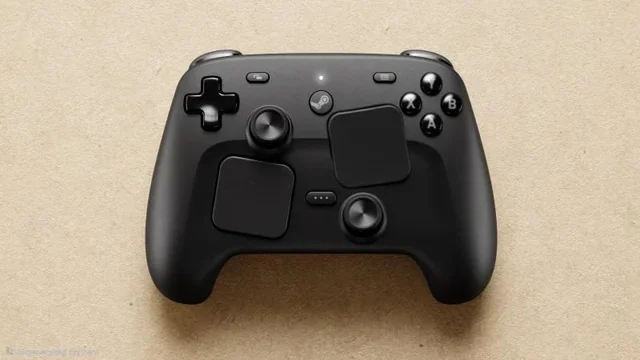
The argument is not that consoles stop selling, but that the traits that once separated a console from a computer are eroding at the high end and converging at the low. A box that costs as much as a gaming PC, uses the same chips, and in one case runs the same operating system is a console mainly in its interface and its branding. The likeliest read is convergence rather than extinction: the console becomes a curated, fixed configuration of a gaming PC instead of a separate kind of device.
If that is the direction, the Steam Machine is the clearest marker of it so far, because Valve has stated the model plainly instead of disguising it. When the next Xbox boots Windows and opens Steam, and a PlayStation 6 costs what a capable gaming rig costs, the honest description of both is a gaming computer with a console’s front end. Nintendo may hold the exception, selling a cheaper, closed, purpose-built machine to a mass audience that wants exactly that. For the high-powered premium consoles that defined the last two decades, the path Valve has drawn leads to one conclusion. They are becoming gaming computers, and at some point the more honest move is to call them that.

Comments