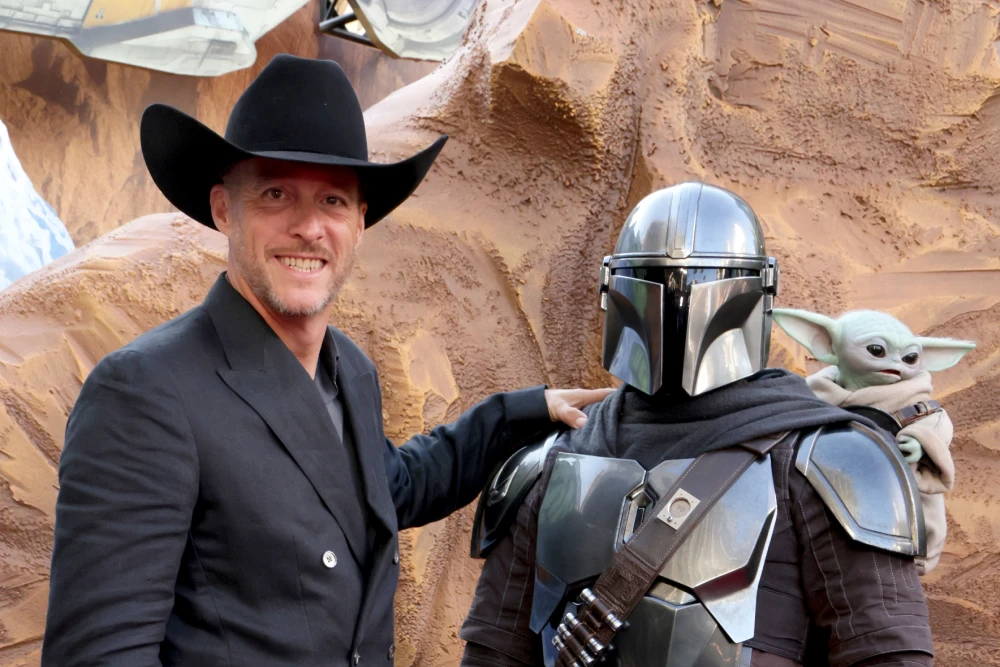
Brendan Wayne, the body double for Din Djarin in The Mandalorian and a grandson of John Wayne, has said fan gatekeeping in Star Wars “can be 100% toxic,” telling MovieWeb in comments published June 13 that “They didn’t ruin your Star Wars. It’s our Star Wars.” His remarks renewed a long-running argument over where criticism of the franchise ends and harassment begins.
Wayne drew a line between the two. He said “fans have every right to criticize what they don’t like about Star Wars, but they don’t have the right to impose their preferences on the entire community,” and described some fans as “pulling against the franchise they love, just because of their ownership.” He cited Ahmed Best, who went from Jar Jar Binks, a character fans long criticized, to the Jedi Kelleran Beq in later projects, as an example of the studio answering fan reaction rather than ignoring it.
Wayne, who has stood in for Pedro Pascal across three seasons of the Disney+ series, made the comments while promoting the film The Mandalorian and Grogu, according to Variety. He is one of several people connected to Star Wars to weigh in on the fan base’s conduct in recent years.
Where the harassment is documented
Part of Wayne’s point has a clear record. Kelly Marie Tran left social media in 2018 after a campaign of racist and sexist abuse that followed her role in The Last Jedi, as CBC reported. Moses Ingram said she received hundreds of racist messages after appearing in Obi-Wan Kenobi in 2022, and Lucasfilm publicly defended her. Simon Pegg, who appeared in the sequel films, called the fandom “the most toxic at the moment” that same year.
Where critics say the complaints are fair
Fans who reject the “toxic” label argue it is used to dismiss legitimate complaints about quality and cost. They point to The Acolyte, which Lucasfilm cancelled after one season following a reported budget near $230 million. Disney Entertainment co-chairman Alan Bergman said the show “wasn’t where we needed it to be, given the cost structure,” according to reporting on the decision. Its audience score on Rotten Tomatoes sat near 19 percent against a 74 percent critics’ score, a gap supporters of the show attributed to coordinated review-bombing.
The reception data cuts both ways. The Acolyte remained one of Disney+’s most-watched titles long after its cancellation, according to viewership charts, and the review-bombing that pushed down its audience score also makes that figure an unreliable gauge of how the series played. Neither the low rating nor the strong streaming numbers settles whether the underlying criticism was fair.
The dispute predates Wayne. It has run through Star Wars since at least 2017, when The Last Jedi divided audiences from critics, and it has returned with nearly every release the franchise has put out since.

Comments